Gear
Mountain Hunting Fitness: Getting Ready for the High Country
The mountains do not care how you shoot until your legs get you the shot. Start early.
The single best thing you can do for a mountain hunt is arrive in shape, and the honest way to get there is to start months out and build steadily. Our country is horseback and foot only, with no motorized travel, so even a horse-supported hunt puts you on your legs on steep, uneven ground at altitude you may not be used to. You do not need to be an athlete. You need legs and lungs that can climb with a pack, day after day, without falling apart. A bighorn sheep hunt sits at the far end of that scale and a foothills deer hunt at the near end, so match your training to the hunt you booked. Below is an honest training arc, the terrain reality in our zone, and what fitness actually buys you in the field. This is general preparation, not medical advice; talk to your doctor before starting a new program.
Why fitness is the gear that matters most
On a mountain hunt your legs are equipment. You can carry the finest rifle and the best glass made, but if you cannot get up the mountain with them, they do not fire a shot. We watch it play out every season: the hunters who prepared move well on day one and are still moving on day eight, and the hunters who did not are managing pain and missing opportunity while the good country goes unhunted above them.
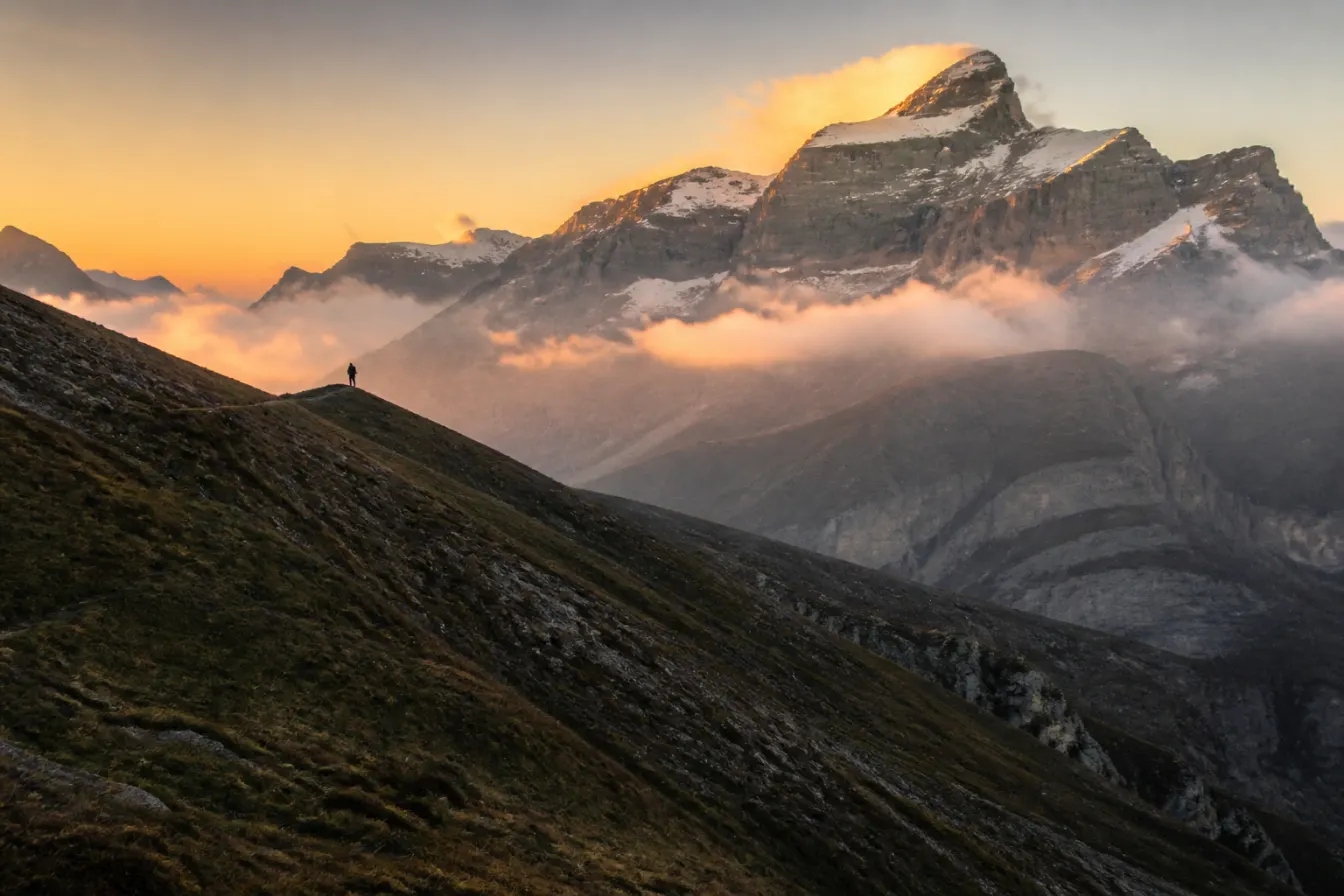
Our territory makes this non-negotiable. Motorized travel is prohibited in our zone, so every hunt is done from horseback and on foot. The horses save your legs on the long approaches, which is a real gift, but the hunting itself, the climbing to glass and the stalking once you find an animal, is on you. Fitness is not about looking a certain way. It is about being able to keep hunting after the effort that finds the animal.
An honest training arc
The wrong way to train is a frantic month before you fly. The right way is to start early and build, so your body adapts without breaking. Here is the shape of it. Adjust the timeline to your starting point and the hunt you booked, and if you can only do one thing, hike hills with a loaded pack.
| Time out | Focus |
|---|---|
| Four to six months | Build a base. Regular walking and hiking, easy cardio, and start strengthening legs, back and core. Consistency over intensity. |
| Two to three months | Add loaded pack hikes on the steepest ground you can find. Build the weight and the vertical gradually. Break in your boots on these. |
| One month | Peak your longest, steepest pack hikes, then hold. Do not chase new records now; you want to arrive fresh, not injured. |
| Final two weeks | Taper. Lighter sessions, rest, sleep, and let your body recover so you show up strong on day one. |
Train for the actual demand
The most useful training looks like the hunt. Steady climbing with weight on your back on uneven ground is the demand, so that is the session that pays off most. Flat treadmill miles and gym machines help your base, but nothing prepares you for a mountain like walking up one with a loaded pack. If you live somewhere flat, load a pack and climb stadium stairs, a parking ramp or a stair machine; the vertical is what you are training for.
Break in your boots on these same hikes, not on the mountain. Feet and legs adapt together, and the hunter who has done twenty loaded hill days at home arrives with conditioned feet as well as conditioned lungs. If you live near sea level and your hunt is in high country, know that the thinner air will make the first days feel harder than your training did, which is another argument for arriving with fitness in the bank rather than hoping to find it in camp.
A bighorn is not a deer hunt
How fit you need to be depends entirely on the hunt. Treat these as a scale, not a pass or fail, and be honest with yourself about where your hunt sits and where you are.
- Bighorn sheep is the hardest. It is high, steep, backcountry hunting where we may glass and climb for days and see sheep every day before the right ram is in reach. This hunt rewards months of serious preparation more than any other we run.
- Elk in the rut is demanding but forgiving. Horseback approaches save your legs, and calling a bull in can shorten the stalk, but you still climb to glass and cover country on foot in swinging fall weather.
- Moose is about country and cold more than vertical. The going can be wet and heavy, but it is not the relentless climbing of a sheep mountain.
- Foothills deer is the gentlest of our hunts. There is still glassing and walking, and better fitness always helps, but you do not need sheep-mountain legs for a November whitetail or muley.
What fitness actually buys you
Fitness does not guarantee an animal; nothing does, and anyone who tells you otherwise is selling. What it buys is chances. The hunter who can still climb hard on day seven is in the good country when the right animal finally shows, while the hunter who is spent is watching from below. Over a long hunt, staying in the game is most of the battle, and staying in the game is what training is for.
It also buys enjoyment. A mountain hunt you are fit for is one of the great experiences in the sport; a mountain hunt you are not fit for is an ordeal you endure. We would much rather guide a prepared hunter, and every client who arrives ready tells us afterward it was the best money and effort they spent on the trip. When you book, tell us honestly where your fitness is and we will tell you straight what your hunt demands. See bighorn sheep hunting and what a bighorn hunt costs for the hardest end, and our Alberta hunts for the range.
Common questions
Q. How fit do I need to be for a mountain hunt?
Fit enough to climb steep, uneven ground with a pack, day after day, without falling apart. You do not need to be an athlete, but you do need legs and lungs conditioned for repeated climbing. A bighorn sheep hunt demands far more than a foothills deer hunt, so match your fitness to the hunt you booked.
Q. How should I train for a bighorn sheep hunt?
Start four to six months out, build a base of cardio and leg, back and core strength, then add loaded pack hikes on the steepest ground you can find, building weight and vertical gradually. Peak your long steep hikes about a month out, then taper. The loaded hill hike is the single most useful session. Talk to your doctor before starting.
Q. Is an elk hunt as hard as a sheep hunt?
No. Elk in the rut is demanding but more forgiving: horseback approaches save your legs and a called-in bull can shorten the stalk, though you still climb to glass and cover country on foot. A bighorn sheep hunt is the hardest hunt we run and rewards the most preparation.
Q. Do I still need to train if the hunt is on horseback?
Yes. The horses save your legs on the long approaches, which is a real advantage, but the hunting itself, the climbing to glass and the stalking, is on foot. Our zone is horseback and foot only with no motorized travel, so you will be on your legs on steep ground regardless.
Q. How far out should I start training?
Four to six months for a hard mountain hunt, so your body adapts steadily instead of breaking under a rushed program. Build a base first, then loaded hill hikes, peak about a month out, and taper the final two weeks so you arrive fresh. This is general preparation, not medical advice.
Q. Does being fit guarantee I will get an animal?
No. Nothing guarantees an animal, and anyone who promises one is selling. What fitness buys is chances: the hunter still climbing hard late in the hunt is in the good country when the right animal shows. Over a long hunt, staying in the game is most of the battle.
Keep reading
Plan your hunt
Ask us about a backcountry mountain hunt
Tell us what you are after. We reply within 1 to 2 business days with honest numbers, real dates and the outfitters we would send our own family to. It costs you nothing.